Ethiopic Calendar: A Journey Through Time
The Ethiopic calendar is a fascinating system that offers a unique perspective on timekeeping, diverging significantly from the Gregorian calendar used by much of the world today. This ancient calendar is not merely a way to track days and months; it is a reflection of Ethiopia's rich cultural heritage and deep historical roots. Understanding the Ethiopic calendar opens a window into the traditions, festivals, and daily life of the Ethiopian people, showcasing their connection to the past and the rhythms of nature.
The Ethiopic calendar, also known as the Ethiopian calendar, follows a different format with 13 months, consisting of 12 months of 30 days each, and an additional month known as Pagumē, which has either 5 or 6 days depending on whether it is a leap year. This calendar system is based on the Coptic calendar, which itself derives from the ancient Egyptian calendar. As such, the Ethiopic calendar is steeped in history, offering insight into the religious and cultural practices of Ethiopia, particularly the Ethiopian Orthodox Church.
With its distinct structure and cultural significance, the Ethiopic calendar has captured the interest of historians, scholars, and travelers alike. Its unique approach to timekeeping is not just about dates; it encompasses various religious observances, festivals, and agricultural cycles, which are integral to Ethiopian life. As we delve deeper into the intricacies of the Ethiopic calendar, we will explore its historical origins, its current usage, and the various celebrations that mark its passage through the year.
What Are the Key Features of the Ethiopic Calendar?
The Ethiopic calendar is characterized by several unique features that set it apart from the Gregorian calendar:
- Consists of 13 months: 12 months of 30 days and 1 month of 5 or 6 days.
- Begins the new year on Meskerem 1, which usually falls on September 11 or 12 in the Gregorian calendar.
- Leap years occur every four years without exceptions, adding an extra day to Pagumē.
- The calendar is approximately 7-8 years behind the Gregorian calendar.
How Did the Ethiopic Calendar Evolve Over Time?
The origins of the Ethiopic calendar can be traced back to ancient Egypt and the Coptic Church. It was adapted to fit the Ethiopian context, particularly with the establishment of Christianity in the region. The calendar underwent several changes and adaptations over the centuries, influenced by local customs and traditions. Key milestones in its evolution include:
- Integration of local agricultural cycles.
- Incorporation of religious events and observances unique to Ethiopian culture.
- Formalization by the Ethiopian Orthodox Church.
What Are the Main Festivals Celebrated in the Ethiopic Calendar?
The Ethiopic calendar is home to numerous vibrant festivals that reflect the religious and cultural identity of the Ethiopian people. Some notable celebrations include:
- When Will Pooh Shiesty Be Released
- Consulta El Registro Electoral
- Arielle Kebbel Husband
- Blue Ivy Cathy White
- Enkutatash: The Ethiopian New Year, celebrated on Meskerem 1, marking the end of the rainy season.
- Genna: Christmas, celebrated on Tahsas 29, featuring unique traditions and festivities.
- Timkat: The Epiphany, commemorating the baptism of Jesus, celebrated with colorful processions and rituals.
- Fasika: Easter, which occurs after a long fasting period and is celebrated with feasting and family gatherings.
How Do Ethiopians Use the Ethiopic Calendar in Daily Life?
Ethiopians integrate the Ethiopic calendar into their daily lives in various ways. Despite the influence of the Gregorian calendar, the Ethiopic calendar remains prevalent in rural areas and among religious communities. Daily activities, agricultural practices, and cultural events are often scheduled according to its dates. Additionally, local markets, schools, and government institutions may reference the Ethiopic calendar for their operations.
What Is the Impact of the Ethiopic Calendar on Ethiopian Culture?
The Ethiopic calendar plays a critical role in shaping Ethiopian culture and identity. It serves as a framework for understanding time, guiding the rhythm of life through its festivals, religious observances, and agricultural cycles. The calendar reinforces community bonds, as families and communities gather to celebrate important events together. Its distinctiveness from the Gregorian calendar also fosters a sense of pride in Ethiopian heritage.
How Does the Ethiopic Calendar Compare to Other Calendars?
When compared to other calendars, such as the Gregorian and Islamic calendars, the Ethiopic calendar has several distinct characteristics:
- Different month lengths and structure.
- Unique leap year calculations.
- Religious and cultural significance tied closely to Ethiopia's history.
- A different starting point for the year, which influences the overall timeline.
Can the Ethiopic Calendar Be Used for International Purposes?
While the Ethiopic calendar is primarily used within Ethiopia, there is potential for its application in international contexts, particularly in cultural exchanges and tourism. Educating visitors about the Ethiopic calendar can enhance their understanding of Ethiopian culture and traditions. However, for practical international business and communication, the Gregorian calendar remains the standard.
Conclusion: Why Should We Appreciate the Ethiopic Calendar?
The Ethiopic calendar is not just a method of tracking time; it is a living testament to the history, culture, and identity of the Ethiopian people. By understanding and appreciating the nuances of the Ethiopic calendar, we can gain deeper insights into Ethiopia’s rich heritage and the significance of its traditions. Embracing the diversity of timekeeping systems worldwide fosters a greater appreciation for cultural identities and encourages global understanding.
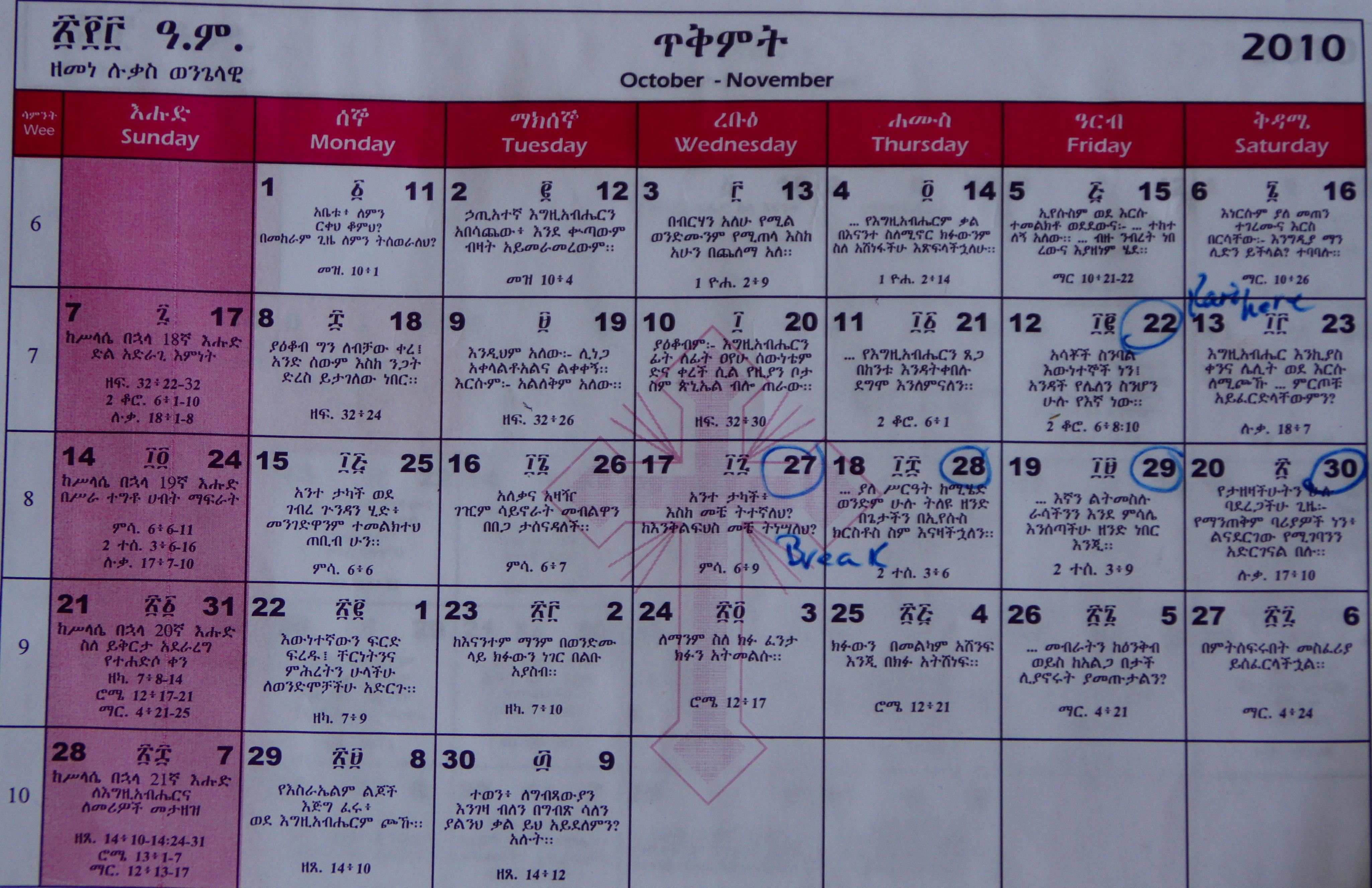
Day Today Ethiopian Calendar Customize and Print

Ethiopian Calendar Current Year Fulvia Beitris

What Day Is It In Ethiopian Calendar Edith Gwenore

